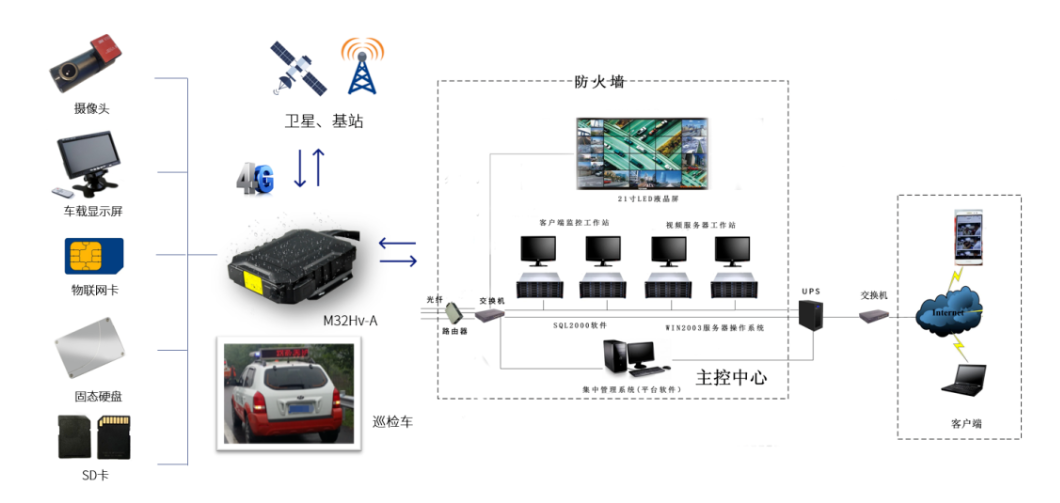
With the rapid development of road traffic construction, the maintenance and management tasks of urban roads and highways have also come along. Road maintenance and management departments have increasingly paid attention to the monitoring of road pavement defects and the collection of defect data.
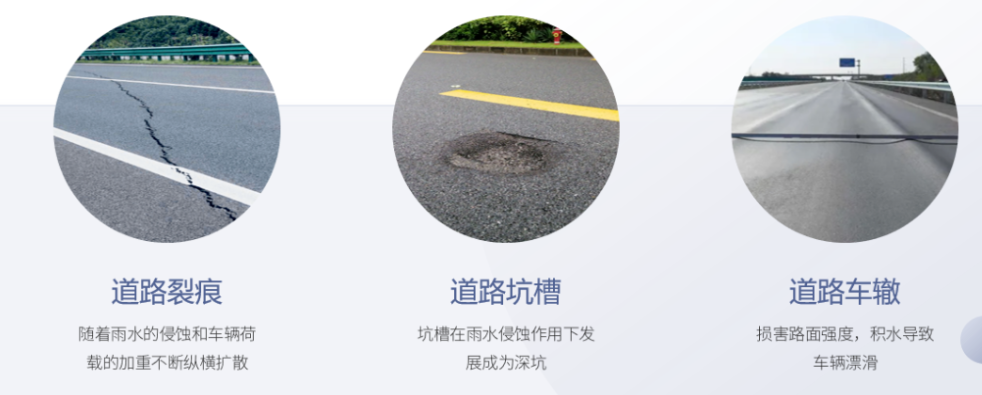
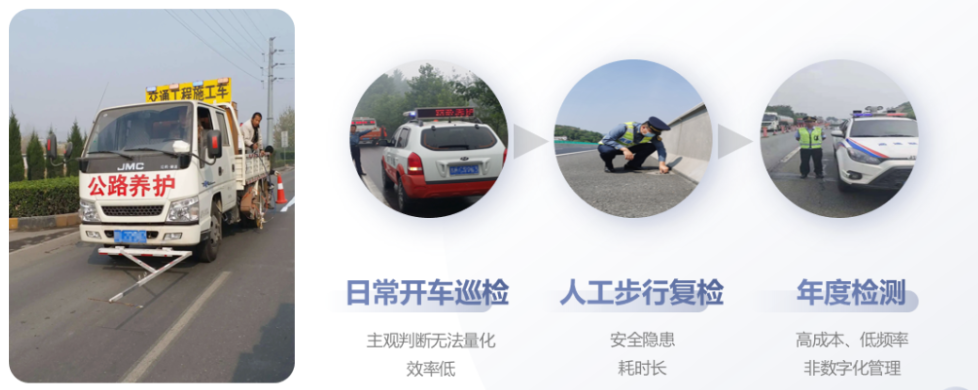
Traditional road inspection solutions mainly rely on vehicle inspections and personnel review. However, cracks and other problems accompany the entire service life of the road and become more serious as the road ages. In addition, road defects occur irregularly, appear suddenly over time, and are difficult to detect.
Therefore, road defects have become a common phenomenon in many cities, which not only affects the impact of the city, but also hinders traffic and affects travel, and in serious cases even causes traffic accidents.
Solution ideas
Start from three dimensions: judging defects, retrieving locations, and marking time.
Road section detection technology: Use road image enhancement technology to screen road images and record real road defect data
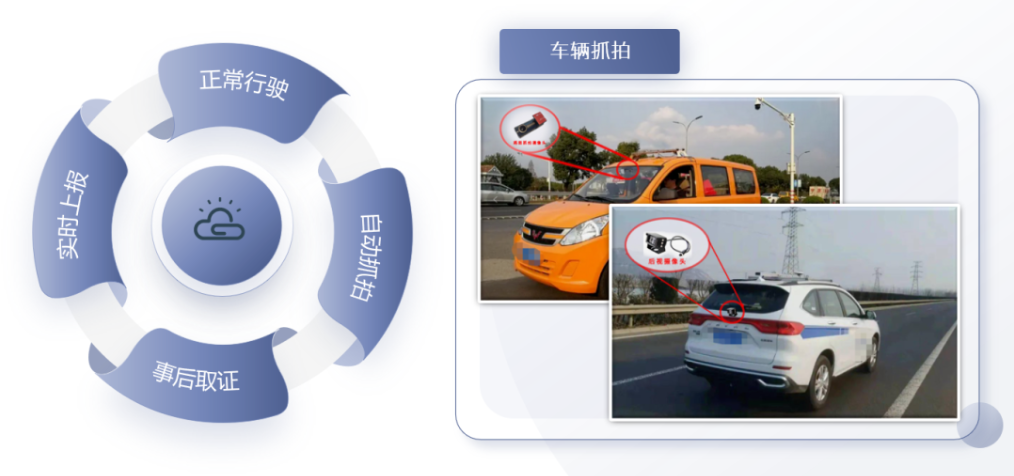
Precise positioning technology: high-precision, high-frequency positioning and inertial navigation technology, accurate target retrieval, reducing the impact of adverse factors such as high-speed vehicle driving, tunnel passage, underground garage parking, etc.
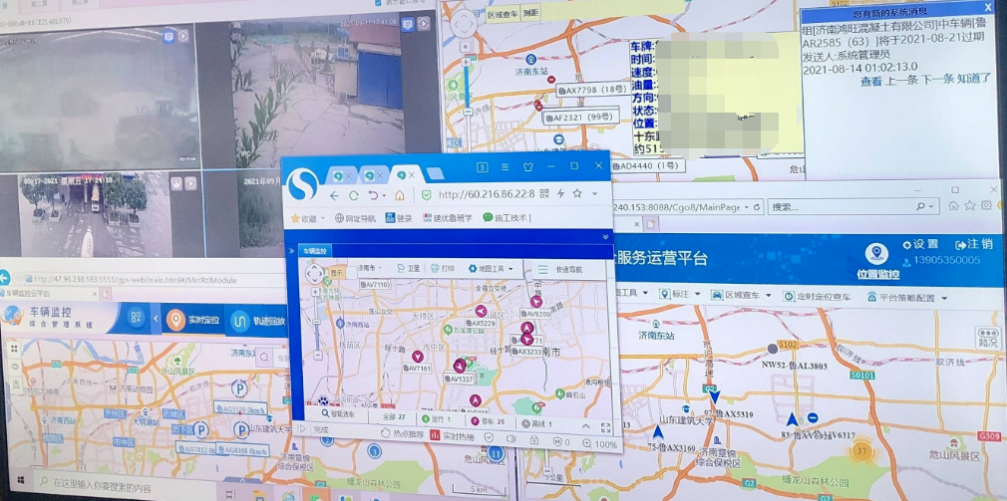
Real-time communication technology: Build a rapid response system through MDVR, mobile phones, computers, and command centers to form a rapid response system.
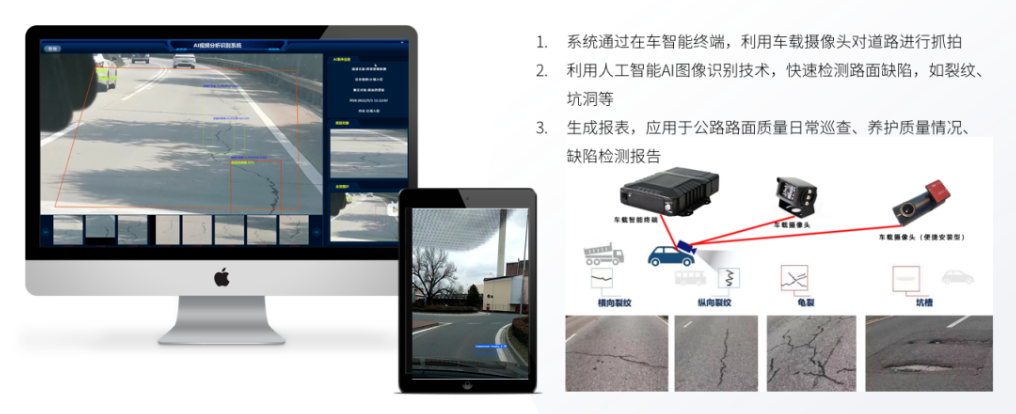
This solution uses AI algorithms to replace traditional manual visual inspections, increasing inspection efficiency while also improving operation accuracy. The back-end uses data reports, video wall, vehicle trajectory playback, and other methods to provide high-quality information interconnection channels for grassroots personnel and management centers, bringing fundamental changes to road inspections.